Unlock Fluency Fast: Best Methods for Learning to Speak Spanish
Imagine sitting at a vibrant Spanish café — you confidently order café con leche, laugh with locals, and even catch every witty remark exchanged. Learning Spanish isn’t just a skill; it’s your passport to new cultures, business ventures, unforgettable travel, and lifelong friendships. In this comprehensive guide, we’ll explore the best methods for learning to speak Spanish, so you can unlock fluency faster than you ever imagined.
A Fast Track to Fluency: Why Choose the Best Methods for Learning to Speak Spanish?
Whether you’re preparing for a trip to Latin America, aiming to converse with native speakers for business, or simply want to enjoy Spanish movies without subtitles, the way you learn matters. There are countless paths to fluency, but not all are created equal. Embracing the best methods for learning to speak Spanish saves you time, boosts your motivation, and helps you make real-world connections quickly.
Choosing the right learning approach means blending proven strategies for rapid progress: immersion, engaging language apps, guided lessons, and daily speaking practice with native speakers. This article offers tailored advice, actionable routines, and expert insights designed for learners at any age or stage. No matter your reason — business, travel, or pure passion — you’ll find your most effective path to Spanish fluency right here.
“Mastering a new language is not just about memorizing words—it’s about opening yourself to new cultures, new opportunities, and new adventures.” – Language Educator

What You’ll Learn: The Path to Learn Spanish Fast
- How to choose the best methods for learning to speak Spanish effectively
- Proven strategies for mastering Spanish fast—listening, writing, and speaking
- Expert guidance for different goals: business, travel, or hobby
- Resources and tools: language apps, online tutors, and immersive experiences
- Ways to measure your Spanish fluency progress
Setting Foundations: Understanding Language Learning for Spanish Fluency

How Language Learning Principles Apply to Learning Spanish
Every successful journey starts with a strong foundation. Language learning experts unanimously agree: true fluency stems from consistently practicing core skills across listening, speaking, and writing. When you set out to learn Spanish, these principles help you absorb not just words and grammar rules, but confidence, cultural nuance, and the ability to truly connect.
Spanish, as one of the most widely spoken languages, offers a rich tapestry of dialects and expressions across Latin America and Spain. Grasping the basics allows you to adapt to different Spanish speaking countries and bond with native speakers. The best methods for learning to speak Spanish emphasize daily interaction, relevant vocabulary, and real-world contexts for maximum retention — far beyond simply memorizing verb tables or textbook dialogues.
Why Are Listening, Speaking, and Writing Equally Vital in Spanish Fast Tracks?
The fastest way to become a confident Spanish speaker is to weave listening, speaking, and writing into your daily routine. Listening to native Spanish podcasts or songs sharpens your ear to accents and rhythm. Speaking Spanish from day one — even if you make mistakes — builds muscle memory and conversational courage.
Meanwhile, writing short texts, social media posts, or diary entries in Spanish cements grammar rules and new words. Experts affirm that actively mixing these skills prevents learning plateaus, keeps your brain engaged, and mirrors how native speakers learn their own language.
“The best methods for learning to speak Spanish seamlessly blend all core language skills—just as native speakers use them daily.”
Explore the Best Methods for Learning to Speak Spanish
Immersive Approaches: Live Like a Native Speaker
- Study travel: living abroad to learn Spanish fast
- Conversational meetups—practice with native speakers (locally or virtually)
- Cultural immersion with Spanish media (podcasts, TV shows, movies)
Nothing accelerates Spanish learning like real immersion. Living in a Spanish speaking country forces daily interaction with native Spanish speakers, challenging you to use the language in markets, cafes, and public spaces. If travel isn’t feasible, virtual immersion works, too. By joining conversation clubs or meetups, you exchange dialogue with native speakers, sharpening your accent, listening, and cultural fluency.
Supplement your journey by watching Spanish movies or TV shows—preferably with subtitles for beginners. Podcasts tailored to Spanish learners also provide exposure to natural speech patterns. The best immersive methods bridge the gap between classroom Spanish and the living, breathing language you’ll use with real people.

Structured Learning: Online Spanish Courses and Apps
Not everyone can live abroad, but everyone can access world-class online Spanish courses and language apps. From Duolingo’s gamified lessons to Babbel’s structured progression and Rosetta Stone’s immersive interface, there’s something for every learning style. These resources shine when combined with real practice and reinforce key vocabulary, grammar rules, and conversational phrases.
Consider mixing different platforms: use Busuu for practical conversation prompts, Memrise for 80/20 high-frequency vocabulary, and even switch up YouTube channels for engaging listening practice. The chart below will help you find the right fit for your goals—whether business, travel, or hobby.
| Platform | Learning Focus | Best For | Unique Features |
|---|---|---|---|
| Duolingo | Vocabulary, Grammar, Daily Streaks | Beginners, Fun/Gamified Approach | Free, Short Lessons, Mobile-Friendly |
| Babbel | Progressive Lessons, Real-Life Conversations | Structured Learners, Professionals | Speech Recognition, Cultural Notes |
| Rosetta Stone | Immersive Visual & Audio | Complete Beginners | No English, Image-Based Context |
| Busuu | Social Interaction, Practice with Natives | All Levels, Speaking Practice | Community Feedback, CEFR-Aligned |
| Memrise | Memory Training, High-Frequency Phrases | Efficient Vocab Review | Video of Native Speakers |
The Science of Spanish Fast: 80/20 Rule and High-Impact Practice
- Focus on the 20% of vocabulary and grammar used in 80% of daily Spanish conversations
- Smart repetition: flashcards (Anki, Quizlet), spaced repetition systems
- Prioritizing high-frequency phrases and expressions
The principle behind the 80/20 rule for learning Spanish is simple but powerful: focus your energy on the small subset of words, grammar rules, and expressions you’ll use most. Studies show that approximately 20% of vocabulary covers 80% of daily conversation. That means mastering essential greetings, questions, and connector words gives you the confidence to join most conversations with native speakers.
Leverage language apps like Anki and Quizlet for spaced repetition, and memorize high-frequency words and useful phrases. This learning method is scientifically proven to boost retention and is especially useful for anyone who feels overwhelmed by endless vocabulary lists or grammar tables.

Speaking from Day 1: Practicing with Tutors and Community
- One-on-one sessions with a Spanish teacher (online or local)
- Language exchange partners—mutual support with native speakers
- Leveraging platforms: iTalki, Preply, or Tandem for learning Spanish
The fastest gains in fluency come when you speak Spanish from the very beginning. Working with a Spanish tutor offers structure, expert correction, and confidence. Online platforms like iTalki, Preply, or Tandem connect you with teachers and native speakers worldwide, allowing for flexible scheduling and customized Spanish lessons.
Language exchanges — free or paid — put you in direct contact with native Spanish speakers who want to learn your language. These sessions build authentic conversation skills, foster friendships, and help track your growth in real time. Whether one-on-one or in a group, regular speaking practice is essential for breaking through fear and achieving real-life fluency.

DIY and Free Resources: Using YouTube Channels and Podcasts to Learn Spanish
- Top-rated Spanish learning YouTube channels for beginners and intermediates
- Podcast recommendations for real-life listening comprehension
- Making the most of online Spanish resources for all learning styles
Not all great language learning tools require a subscription. Free YouTube channels and podcasts are treasure troves of Spanish learning content, especially for self-motivated learners. Beginners can follow channels like SpanishPod101 or Butterfly Spanish; intermediates can enjoy Dreaming Spanish for compelling, comprehensible input.
Podcasts such as Duolingo Spanish Podcast and Coffee Break Spanish provide engaging stories and practical conversations, honing your listening skills with native speakers and varied accents from across the Spanish-speaking world. Combining these resources with daily speaking and writing gives you a well-rounded, modern approach to mastering Spanish fast.
Mastering Spanish Fast For Every Need and Age
Spanish for Business: Professional Language Learning Strategies

If your goal is to use Spanish in a professional setting, focus on business vocabulary, industry-specific phrases, and real-life scenarios such as meetings, presentations, and emails. Choose online Spanish courses geared toward business language, and schedule regular sessions with a Spanish teacher who understands your field. Role-playing, case studies, and shadowing Spanish speaking colleagues are all highly effective.
Many apps provide business modules, but combining them with live feedback from native speakers accelerates results. Building cultural awareness—knowing formal vs. informal language and business etiquette—helps you confidently represent your company or brand in Spain, Latin America, and beyond.
Spanish for Travel: Survival Vocabulary & Conversation Starters
Heading to a Spanish speaking country for vacation? Prepare with survival Spanish: directions, ordering food, basic questions, and common emergency phrases. Apps specifically for travel Spanish and printable phrasebooks make it easy to review on the go.
Practice simple role-plays with a language exchange partner or Spanish tutor—think hotel check-ins, market bargaining, and asking locals for recommendations. These engaging exercises ensure you’re ready to interact with native Spanish speakers and enjoy an authentic, stress-free travel experience.
Learning Spanish as a Hobby: Sustaining Motivation and Enjoyment
If you’re learning Spanish for fun, keep your motivation high by choosing topics and formats you love. Watch Spanish movies, join book clubs, or follow a YouTube channel on Spanish cooking or Latin dance. Gamify your progress with apps or challenge yourself with music quizzes and friendly competitions.
Making learning enjoyable—by connecting with like-minded learners and celebrating small victories—ensures you stick with it for the long haul. The best methods for learning to speak Spanish aren’t just efficient; they’re engaging and tailored to your passions.
Developing a Spanish Study Plan: Daily Routines and Milestones
Setting Realistic Goals for Learning Spanish Fast
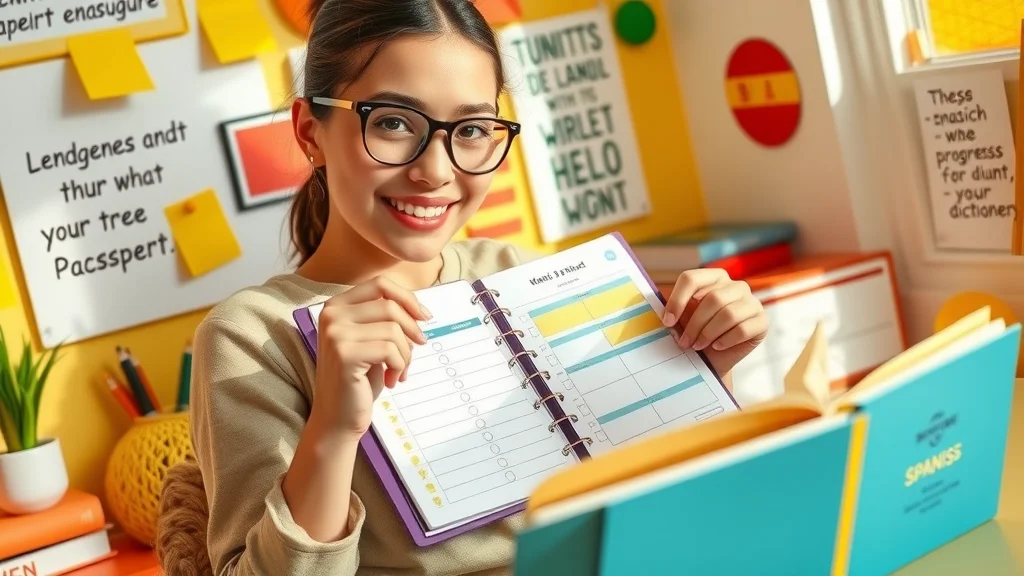
One of the secrets to success is setting clear, achievable goals—whether it’s holding a 5-minute conversation with a native speaker or understanding your favorite Spanish movie without subtitles. Use digital trackers, calendars, or language app streaks to visualize your journey.
Break your big Spanish learning goal into smaller steps: learn 20 new words each week, master the past tense this month, or write a paragraph each day. Regularly reviewing and celebrating these milestones keeps motivation high and progress steady.
Organizing Practice for Listening, Speaking, and Writing
Balance creates fluency. Set aside time each day for listening, speaking, and writing. For listening, rotate between podcasts, YouTube videos, or Spanish radio. For speaking, schedule a weekly chat with a language partner or Spanish tutor. For writing, keep a short diary or interact with native speakers on forums or social media.
Use tools like language learning timers, themed notebooks, or specialty apps to ensure each core skill gets attention. Mixing up your activities keeps your brain sharp and prevents fatigue, making Spanish fast learning both sustainable and enjoyable.
Tracking Progress and Staying Accountable
Regular self-assessment is crucial. Use placement tests, app analytics, or even video yourself speaking Spanish every month to hear and see your improvement. Share your goals with friends, family, or online Spanish learning groups for extra accountability.
If you find yourself in a rut, revisit your schedule and add fresh activities, new resources, or a different Spanish speaking partner. Small tweaks often make a big difference, keeping your learning journey dynamic and rewarding.
Watch: Step-by-Step Guide to the Best Methods for Learning to Speak SpanishReal-Life Success Stories: How Learners Achieved Spanish Fluency
“Speaking Spanish opened up career doors I never imagined. I focused on the best methods for learning to speak Spanish and practiced every day.” – Successful Learner
Real people, real results: Thousands of language learners have transformed their lives by embracing the strategies in this guide. From American business owners thriving in Latin America to travelers making friends on Spanish beaches, daily practice and using the right resources proves the fastest path to fluency. Let their journeys inspire your own.
Top Tools & Apps: Best Methods for Learning to Speak Spanish Online
- Babbel: structured, progressive lessons for learning Spanish
- Rosetta Stone: immersive experience for newcomers
- Busuu & Memrise: vocabulary builders leveraging the 80/20 rule
- iTalki: speak with a Spanish teacher or native speaker for tailored feedback
Modern technology puts Spanish fluency in your pocket. Apps like Babbel walk you through structured lessons at your pace, while Rosetta Stone plunges you into visual, immersive experiences—even if you’re a complete beginner. Busuu and Memrise are built on efficient vocabulary learning, using science-backed repetition so you never forget what you practice.
For real-world conversation, nothing beats iTalki, where you connect directly with a Spanish speaker for live feedback and cultural exchange. No matter your budget or schedule, there’s a Spanish learning app to jumpstart your progress today.
Maximizing Results Through Consistency and Motivation
Overcome Plateaus with Varied Spanish Fast Activities
Every language learner hits a plateau—but don’t let it derail your journey. Vary your activities: switch between podcasts, audiobooks, flashcards, and Spanish lessons. Revisit favorite Spanish movies but turn off subtitles this time. Attend a local language café or join a new online group for fresh conversation.
Celebrate small wins, experiment with writing short stories, and try language challenges or games. Keeping things fresh and fun is one of the best methods for learning to speak Spanish fast and relighting your motivation.
Joining Online Spanish Communities and Forums
Connect with others who share your goals! Joining an online Spanish community, forum, or virtual study group gives you access to native Spanish speakers, diverse learning styles, and invaluable encouragement.
Platforms like Reddit’s r/Spanish, Discord language servers, and Facebook groups keep you motivated while providing practical answers to your questions. Sharing tips, exchanging Spanish memes, or collaborating on language challenges can make learning feel less like a chore and more like a celebration.
Celebrating Milestones in Your Spanish Learning Journey
Reward your progress! Share your first conversation with native speakers, celebrate understanding a Spanish podcast, or treat yourself to a Spanish movie night. Marking milestones builds confidence and reinforces the habit, pushing you closer to your goal of fluency.
Whether you receive a compliment from your Spanish teacher or simply master a tricky phrase, take time to savor your achievements. This positivity propels you forward—one conversation at a time.
Comparing the Best Methods for Learning to Speak Spanish: A Breakdown
| Method | Best For | Pro | Con |
|---|---|---|---|
| Immersion | Adventurers, Fast Progress | Rapid acquisition, cultural fluency | Requires travel/time investment |
| Apps | Busy schedules, On-the-go learning | Flexible, gamified, self-paced | Limited speaking/listening |
| Classes | Structured learners, Groups | Guidance, social learning | Fixed pace; may skip conversation |
| Tutors | Personalized, Rapid conversation skills | Expert correction, tailored practice | Higher cost |
| Free Resources | Budget learners, Self-motivated | Accessible, varied styles | No structure, self-discipline needed |
The Role of a Spanish Teacher vs. Self-Directed Learning
Both approaches have their strengths. A professional Spanish teacher brings accountability, structure, and real-time correction—critical in the early stages or for mastering tricky grammar rules. Conversely, self-directed learning empowers you to choose the resources, topics, and pace that fit your lifestyle, building independence and creative problem-solving.
Many successful learners combine both, using formal lessons to build a base and then supplementing with self-chosen apps, media, and conversation practice with native speakers. The trick is to stay adaptable and play to your strengths as a language learner.
People Also Ask: FAQs on the Best Methods for Learning to Speak Spanish
What is the most efficient way to learn Spanish?
The most efficient way to learn Spanish combines immersive methods, daily speaking practice, quality online resources, and focus on high-frequency vocabulary. Tailoring your approach to your personal learning style greatly accelerates progress.
What is the 80/20 rule for learning Spanish?
The 80/20 rule in learning Spanish suggests focusing on the critical 20% of vocabulary and grammar that will allow you to understand and communicate in 80% of daily conversations—accelerating your fluency.
Can Babbel make you fluent?
Babbel provides strong foundational lessons and practical phrases to build essential language skills. However, complementing it with live conversations and immersive exposure is key for fluency.
Can I be fluent in Spanish in 1 year?
With dedication, daily practice, and the best methods for learning to speak Spanish—including real-world conversations, tech tools, and immersion—reaching conversational fluency within a year is achievable for most learners.

Top Tips & Key Takeaways for Learning Spanish Fast
- Prioritize everyday communication and listening with native speakers
- Use a blend of structured courses and informal learning methods
- Stay consistent: make Spanish a daily habit
- Track improvement and set new goals regularly
- Don’t be afraid to make mistakes; each one is a step toward fluency
FAQs: More Answers on the Best Methods for Learning to Speak Spanish
- How can I practice Spanish conversation daily without living abroad?
Join online language exchange platforms, attend virtual conversation meetups, or connect with Spanish speakers in your community through cultural events or local classes. - What are the best apps for learning Spanish fast?
Babbel, Duolingo, Rosetta Stone, Busuu, and Memrise all offer effective lessons, but pairing them with live speaking practice yields the fastest progress. - Is it better to learn Spanish online or in person?
Each has advantages. Online Spanish courses offer flexibility and a wide range of resources, while in-person learning provides immediate feedback and more natural conversation. Combining both can maximize results. - How do I stay motivated during plateaus?
Change up your activities, set fresh goals, join online Spanish communities, reward your progress, and remember why you started. Celebrate every milestone, no matter how small!
Start Your Spanish Language Journey Today!
Ready to discover your own best methods for learning to speak Spanish? For expert resources and a supportive community, to start your free language learning journery visit http://classroom.learnalanguage101.com/ today.
Embrace the best methods for learning to speak Spanish—immerse yourself, practice daily, and celebrate each step toward fluency.
Sources
- Babbel Magazine: Best Ways to Learn Spanish
- Fluent in 3 Months: Spanish Learning Guide
- SpanishDict: Best Way to Learn Spanish
- Busuu: Learn Spanish Online
- Rosetta Stone: Learn Spanish
To enhance your journey toward Spanish fluency, consider exploring the following resources:
-
“How to Speak Spanish and Become Fluent: 7 Expert Tips” (busuu.com)
-
“How to Speak Spanish with Confidence: 7 Essential Tips” (blog.rosettastone.com)
These articles provide practical strategies and insights to accelerate your Spanish learning process.

Hi, this is a comment.
To get started with moderating, editing, and deleting comments, please visit the Comments screen in the dashboard.
Commenter avatars come from Gravatar.