Did you know that Africa is home to more than 30% of the world’s languages, while representing just 16% of the global population? The linguistic landscape of Africa is nothing short of breathtaking—complex, vibrant, and woven deeply into the fabric of the continent’s history and identity. In this comprehensive overview of the languages spoken on the continent of Africa, we dive into startling linguistic facts, trace the evolution of African languages, compare colonial and indigenous tongues, and reveal how these languages shape daily life and cultural heritage across diverse regions.
Unveiling the Rich Tapestry: Startling Facts about the Overview of the Languages Spoken on the Continent of Africa
Africa boasts a level of linguistic diversity unmatched by any other continent. With over 2,000–3,000 languages spoken in Africa, the continent’s tapestry stretches from the Sahara in the north to South Africa’s Cape, weaving together millions of voices, stories, and histories within its borders. This wealth of spoken languages in Africa is not evenly distributed; while West Africa is renowned for its dense concentration of languages, regions like North Africa feature fewer, albeit globally influential, languages like Arabic and Berber. Modern African countries often borrow official languages from colonial powers—such as English, French, and Portuguese—that coexist, sometimes uneasily, with myriad indigenous tongues spoken in rural villages and townships.

“Africa accounts for over 30% of the world’s languages despite representing only 16% of the global population.”
What You’ll Learn from This Overview of the Languages Spoken on the Continent of Africa
- Key African language families and their geographic spread
- The impact of colonialism on languages spoken in Africa
- The role of official languages versus indigenous languages
- How languages reflect Africa’s cultural diversity
- Frequently asked questions about spoken languages in Africa
The Historical Landscape: Evolution of African Languages
Pre-colonial Languages in Africa: Ancient Roots of Spoken Languages
Long before the boundaries of modern African countries were drawn, Africa was a mosaic of thriving civilizations, each with its unique spoken language. Indigenous languages in Africa served not just as means of communication but as repositories of culture, oral history, and social customs. Kingdoms like Mali, Axum, Nubia, and Great Zimbabwe traded stories, proverbs, and wisdom in languages such as Amharic, Yoruba, Hausa, and Swahili centuries before colonial incursion. In these societies, language was intimately tied to identity and tradition—oral storytelling passed wisdom from elders to youth, reflected in the art, music, and governance of each community. Today, many of these ancient languages, often grouped into major language families like Niger-Congo, Afroasiatic, and Nilo-Saharan, have evolved but continue to live on, demonstrating the complexity and resilience of african languages.

Colonial Influence: Official Languages in African Countries Versus Spoken Languages in Villages
The colonial era dramatically reshaped Africa’s linguistic landscape by introducing new, European official languages and prioritizing them in administration, education, and media. Countries like Nigeria, Kenya, and South Africa adopted English as an official or national language, while others like Senegal, Ivory Coast, and Mali embraced French, and Angola and Mozambique leaned on Portuguese. Yet, beneath this administrative veneer, millions continued speaking their native african languages—Yoruba, Wolof, Zulu, and many more—especially in rural communities and homes. This coexistence between adopted official languages and local indigenous languages has, in many cases, created a linguistic duality: government and business may function in colonial languages, but familial, cultural, and daily life flourish in local tongues, preserving Africa’s linguistic heritage against a backdrop of change.
“Many African countries maintain official languages inherited from colonial rule despite a multitude of thriving native tongue communities.”
How Many Languages Are Spoken in Africa?
When considering an overview of the languages spoken on the continent of Africa, the precise number varies depending on classification methods, but most linguists estimate between 2,000 and 3,000 distinct languages are spoken in Africa. Some regions are linguistic hotspots: West Africa alone accounts for over 1,000 languages, many characterized by small communities with unique dialects. East Africa stands out for linguistic giants like Swahili and Amharic. Conversely, North Africa, including the Horn of Africa, features fewer but more widely spoken languages such as Arabic and Somali. Southern Africa is famous for its Khoisan languages, marked by unique click consonants, but has also become a melting pot for languages like Zulu and Xhosa. The following table offers a regional breakdown:
| Region | Estimated Number of Languages | Examples of Major Languages |
|---|---|---|
| West Africa | >1000 | Yoruba, Igbo, Hausa |
| Central Africa | >200 | Lingala, Kongo, Sandy |
| East Africa | ~500 | Swahili, Amharic, Oromo |
| North Africa | <200 | Arabic, Berber |
| Southern Africa | >200 | Zulu, Xhosa, Shona |
The Major Language Families: Overview of Language Families Spoken on the Continent of Africa
African languages are classified into several major language families, each with its own rich history and regional prominence. This diversity illustrates not only migration and interaction over millennia but also Africa’s remarkable adaptability to change. Understanding these families provides key insights into the spread, influence, and interconnectedness of the languages spoken in Africa.
Afroasiatic Languages: History and Distribution
The Afroasiatic language family stretches across North Africa, the Horn of Africa, and parts of West Asia, encompassing over 300 languages. Arabic is the most widely known, with over 100 million speakers in North Africa, including Egypt, Sudan, Morocco, and Algeria. Other major Afroasiatic languages include Amharic, Tigrinya, Somali, and Hausa. Amharic is Ethiopia’s official language, while Hausa extends across West Africa as a lingua franca, spoken in Nigeria, Niger, and Ghana. These languages are notable for their ancient literary traditions and for playing key roles in trade, religion, and scholarship throughout African history.
Niger-Congo Languages: The World’s Most Diverse Language Family
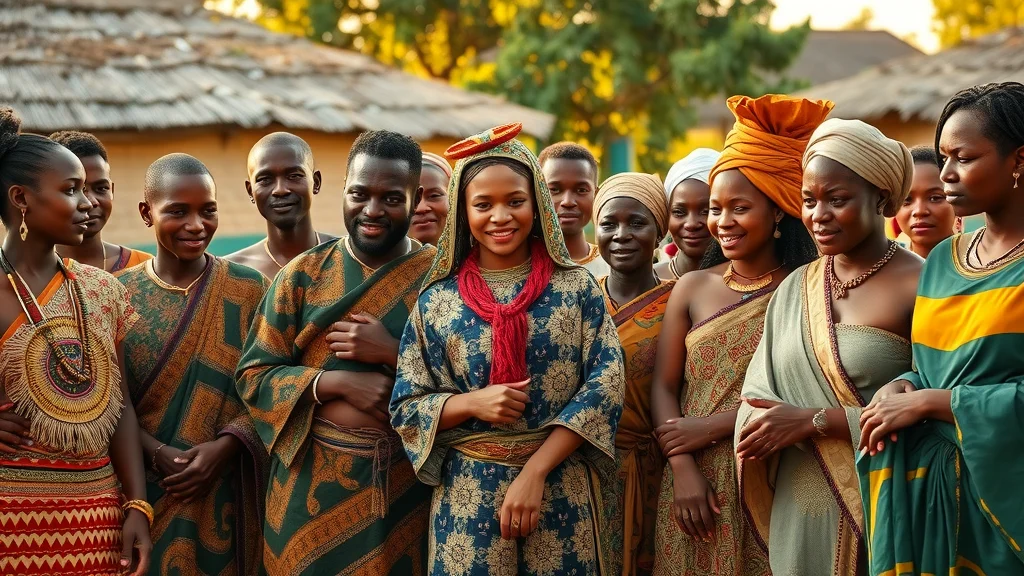
The Niger-Congo language family is the largest not only in Africa but globally, with more than 1,500 languages spoken primarily in West, Central, East, and Southern Africa. Swahili, one of Africa’s most recognized lingua francas, originated in East Africa and links millions from Kenya, Uganda, Tanzania, and the Congo. Yoruba and Igbo dominate in Nigeria, while Zulu and Xhosa are the main languages of South Africa. These languages are dynamic, often incorporating local dialects, and have developed complex systems of noun classes and verb inflections. The Niger-Congo family’s diversity reflects patterns of migration, trade, and cultural evolution in West African and Bantu-speaking regions.
Nilo-Saharan Languages: The Lesser-Known Spoken Languages of Africa
Mainly found in the central and eastern regions, the Nilo-Saharan language family groups more than 200 languages, spoken by nearly 50 million people across the Sudan, Chad, Ethiopia, Kenya, and Uganda. While not as widespread as Niger-Congo or Afroasiatic languages, tongues like Dinka, Maasai, Kanuri, and Luo play vital roles in the cultural and social identities of their speakers. Nilo-Saharan languages tend to be less studied, which poses challenges for their preservation and revitalization. Nevertheless, they remain crucial to understanding the full range of languages in Africa and their impact on societies across the continent.
Khoisan Languages: Unique Click Consonants and Regional Relevance
The Khoisan languages, found mostly in Southern Africa—particularly in Namibia and Botswana—are famous for their use of click consonants, a feature not found in any other language family. Despite their historical spread, only a handful of Khoisan languages remain, now spoken by small groups such as the San and Nama peoples. These languages embody a deep connection to the earliest migrations and cultures in Southern Africa and are considered linguistic treasures in urgent need of preservation as fewer speakers remain each generation.
Creole Languages: Fusion and Adaptation Across African Regions
Creole languages in Africa represent the continent’s resourcefulness and adaptability in navigating colonial and intercultural encounters. Originating during periods of colonization and the transatlantic slave trade, creole languages like Cape Verdean Creole, Sierra Leone’s Krio, and Seychelles Creole arose as contact languages. They blend African grammatical roots with elements of European languages—Portuguese, French, or English—to serve as bridges among diverse communities. Today, these languages are symbols of shared history, survival, and innovation, widely spoken in their respective countries alongside indigenous and official languages.
“The diversity of languages in Africa reflects centuries of interaction, migration, and creativity across the continent.”
Official Languages in African Countries Versus Widely Spoken Languages in Africa
A defining aspect of the languages spoken on the continent of Africa is the gap between officially recognized national or official languages and those most commonly spoken by ordinary people. While governments often select a European colonial language for administrative unity and global engagement, most Africans continue to use their mother tongues for daily life, cultural events, and communal affairs.
Colonial Legacy: French, English, Portuguese, and Others as Official Languages
The imprint of colonial powers on African languages is unmistakable. French is an official language in more than 20 African nations, English in at least a dozen, and Portuguese in six countries including Mozambique and Angola. These languages enable international trade, diplomacy, and education but can also create barriers for those whose first language is an african language. In some countries, Arabic is also an official language—for example, in North Africa’s Morocco and Egypt—demonstrating the multiple layers of external influence embedded within official policies. Nonetheless, these official languages rarely replace indigenous languages, which continue to thrive within communities despite lack of formal recognition.
Contrasts with Village and Community Languages Across Africa
Despite the widespread use of European official languages in cities, government, and schools, rural and peri-urban communities overwhelmingly rely on local native tongues. In Nigeria, for instance, millions maintain Yoruba, Hausa, or Igbo as their main language at home and in markets, switching to English only in formal settings. In Senegal, Wolof unites the population far more than French, despite the latter’s official status. The persistence and resilience of these indigenous languages is a testament to Africa’s cultural vitality. In many cases, regional or village languages serve as social glue, preserving oral history, reinforcing kinship, and transmitting values across generations.
The Role of African Languages in Shaping Cultural Identity
- Importance of indigenous languages in daily life: In most communities, family bonds, rites of passage, and market interactions are carried out in local languages, preserving intangible heritage and authentic communication.
- Preserving oral traditions and social values: Oral storytelling, poetry, and proverbs—anchored in African languages—have historically safeguarded knowledge, morals, and social cohesion.
- Language as a symbol of resistance and heritage: Choosing to use or revive native languages can be an act of resistance, reclaiming identity in post-colonial societies and ensuring community legacies are not lost to globalization or political pressure.
African Languages in Modern Context: Media, Education, and Urbanization
Spoken Languages in African Media and Popular Culture
African languages have gained renewed significance in the contemporary era, especially in music, movies, and media. Radio and TV stations across Africa produce content in local languages—such as Hausa in Nigeria, Swahili in Tanzania, and Zulu in South Africa—enabling millions to access information and news without language barriers. Over the past decade, Nollywood (Nigeria’s film industry) and South African hip hop have used native languages to celebrate identity and foster unity. Social media has also amplified the presence of African languages, transforming them from village dialects into forces within global pop culture and political activism.

Educational Policy: Incorporating African Languages in School Systems
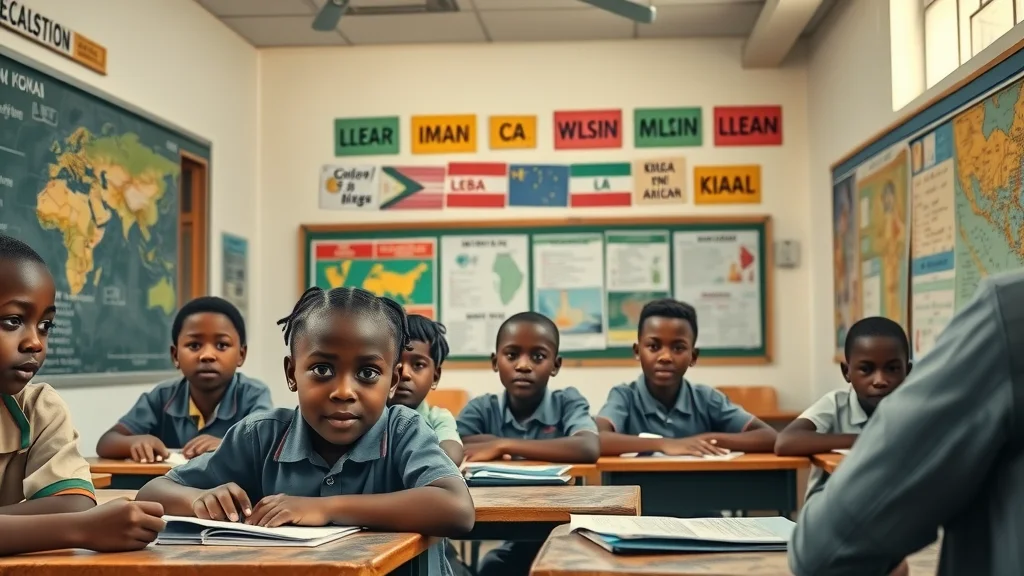
The educational landscape in Africa remains complex, as many countries grapple with the dual demands of global competitiveness and local relevance. While English, French, and Portuguese dominate as languages of instruction—particularly at secondary and tertiary levels—there is increasing recognition of the value in early education offered in african languages. Studies suggest that children learn better when taught in their mother tongue, strengthening not only literacy rates but also cultural confidence. Nations like Ethiopia, Tanzania, and South Africa have made considerable efforts to incorporate local languages formally into their curricula, seeking a balance between embracing the opportunities of global languages and safeguarding cultural roots for future generations.
Urbanization and Language Shift: Endangered Languages and Revival Movements
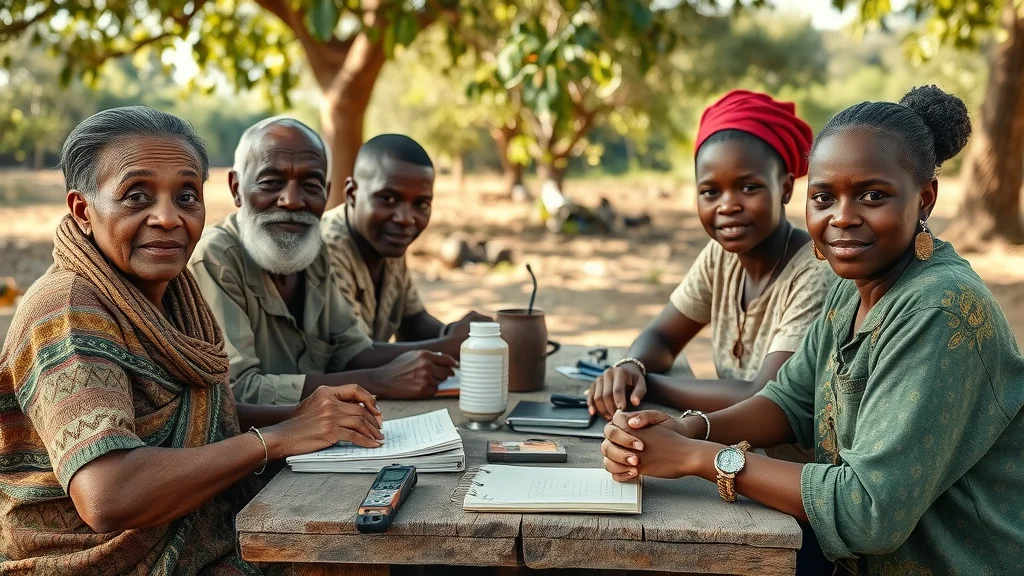
Africa’s rapid urbanization has brought languages into closer contact and sometimes into conflict. As people migrate to urban centers, dominant languages—be they official colonial languages or urban lingua franca—tend to overshadow lesser-spoken, rural dialects. This shift threatens the survival of hundreds of minority languages, some of which teeter on the edge of extinction. Nonetheless, community-led revival movements are spreading, where elders and youth collaborate on documentation, education, and media projects aimed at preserving and revitalizing endangered languages. Language is increasingly recognized as a critical tool for cultural survival, prompting governments, NGOs, and local leaders to invest in linguistic heritage.
People Also Ask: Answers about the Overview of the Languages Spoken on the Continent of Africa
What are the main languages spoken in Africa?
The main languages spoken in Africa include Swahili, Hausa, Yoruba, Amharic, and Arabic, though hundreds of others serve as major regional or community tongues.
What are the three main groups of African languages?
The three main language groups of Africa are Afroasiatic, Nilo-Saharan, and Niger-Congo, with Khoisan recognized for its distinctive click consonants.
What are the primary languages spoken in Africa and how do they reflect the continent’s cultural diversity?
Africa’s primary languages—such as Zulu, Swahili, Berber, and French—mirror a tapestry of ethnic, historical, and colonial influences uniquely shaping each region’s identity.
Does Africa have over 3,000 languages?
Yes, estimates show Africa is home to over 2,000–3,000 languages, making it the most linguistically diverse continent globally.
Key Takeaways on the Fascinating Overview of the Languages Spoken on the Continent of Africa
- Over 2,000 languages are spoken across Africa’s diverse regions.
- Colonial languages often serve as official languages but coexist with indigenous ones.
- Language plays a fundamental role in preserving Africa’s history, heritage, and identity.
FAQs: More About the Languages in Africa
- What factors threaten African languages with extinction?
The primary threats include dominance of official or colonial languages, urban migration, lack of written materials, and limited transmission to younger generations. As more Africans relocate to cities or attend schools where the medium of instruction is not their first language, smaller languages risk falling out of use. Socioeconomic incentives to favor major languages over indigenous ones also accelerate language loss.
- How are governments and communities working to preserve African languages?
Efforts include bilingual education policies, documentation projects, linguistic research, and community initiatives to record and teach native languages. Organizations partner with elders to archive oral stories, and digital tools are being used to teach and spread marginalized languages. Some countries have established language academies or mandated the inclusion of indigenous languages in school curricula.
- Are African languages mutually intelligible?
Some languages within the same family—such as the many Bantu languages—may have elements of mutual intelligibility, particularly regarding basic vocabulary and syntax. However, the high degree of diversity among Africa’s language families means that most African languages are not mutually intelligible across family lines. Dialects within a single language can also vary significantly by region.
Embark on Your Own Journey: Discover More About the Overview of the Languages Spoken on the Continent of Africa
“To start your free language learning journey visit http://classroom.learnalanguage101.com/ today”
Conclusion
Africa’s languages are a living, breathing testament to its enduring cultural legacy. Explore further, engage with local communities, and be a part of this fascinating linguistic journey!
Sources
- Ethnologue: Languages of the World
- Encyclopedia Britannica: Languages of Africa
- University of Pennsylvania: African Language Program
Africa’s linguistic diversity is unparalleled, with over 2,000 languages spoken across the continent. This rich tapestry includes major language families such as Niger-Congo, Afroasiatic, Nilo-Saharan, and Khoisan. For a comprehensive understanding of this diversity, the article “Languages of Africa” provides an in-depth exploration of the various languages and their classifications. (en.wikipedia.org)
Additionally, the “Introduction to African Languages” by Harvard’s African Language Program offers insights into the major language families and their geographic distributions, enhancing our appreciation of Africa’s linguistic heritage. (alp.fas.harvard.edu)
If you’re serious about delving into the complexities of African languages, these resources will provide you with a thorough and insightful overview.
