
Did you know? Research shows that learning to speak a foreign language not only doubles your employment opportunities, but it can also delay brain aging by over four years. If you’re struggling to learn to speak a foreign language, you’re far from alone—but today, mastering a new language is more accessible and attainable than ever. From beginner-friendly apps to immersive language groups, modern systems and techniques can have you speaking fluently faster than you ever thought possible.

Startling Facts: Why Learning to Speak a Foreign Language is More Attainable Than Ever
Think learning to speak a foreign language is only for polyglots or the ultra-dedicated? Think again. Thanks to innovative technology, global connectivity, and proven speaking techniques, language learning is breaking new ground and breaking down barriers. Today, a blend of resources—from online speak tutors and flexible language groups to powerful apps like Rosetta Stone and Duolingo—makes it feasible for anyone to learn a foreign language in personalized ways.
“Research shows that learning to speak a foreign language not only doubles your employment opportunities, but it can also delay brain aging by over 4 years.” This underlines both practical and cognitive rewards: by developing your skills in a target language, you not only unlock doors to new job prospects but also dramatically boost your brain’s flexibility. As people increasingly seek multilingual capabilities for travel, work, and personal enrichment, there’s never been a better—or easier—time to start learning.
What You’ll Learn About How to Learn to Speak a Foreign Language Effectively
- The top 10 most popular languages people choose as a foreign language
- Systematic strategies to learn a foreign language for all skill levels
- Effective ways to develop pronunciation, vocabulary, and fluency
- Technological tools—Rosetta Stone, Duolingo, Babbel, and more
- Science-backed cognitive benefits of acquiring a foreign language
- Answers to the internet’s most popular questions about language learning
The Top 10 Languages People Learn to Speak as a Foreign Language
If you’re curious about which foreign languages attract the most learners and why, you’re in good company. Learning Spanish, French, or Mandarin can open up entire continents of possibilities, but even languages with “medium” or “rising” popularity—like Japanese, Russian, or Korean—offer incredible career, cultural, and personal rewards. This table spotlights the ten languages most people choose when pursuing a foreign language, along with where each is spoken and its relative popularity.
Whether you want to learn a language for travel, to connect with family members, or to advance professionally, this list provides a strategic starting point. These languages are sought after for good reason: each delivers wide utility, has robust networks of native speakers, and is supported by a wealth of learning resources, including language groups, apps, and native-speaking speak tutors. As you read through, consider which language resonates most with your personal or professional goals.
| Rank | Language | Global Popularity | Key Regions |
|---|---|---|---|
| 1 | Spanish | High | Americas, Europe |
| 2 | French | High | Europe, Africa |
| 3 | German | Medium | Europe |
| 4 | Mandarin | High | Asia, Global |
| 5 | Italian | Medium | Europe, Americas |
| 6 | Portuguese | Medium | Europe, Americas |
| 7 | Japanese | Medium | Asia |
| 8 | Russian | Medium | Europe, Asia |
| 9 | Arabic | Medium | Middle East, Africa |
| 10 | Korean | Rising | Asia, Global |

Language Learning Techniques Used in Learning to Speak a Foreign Language
To learn to speak a foreign language effectively, successful students consistently turn to a range of tested strategies—often blending several for faster results. Immersive conversation remains a cornerstone: working with a speak tutor or joining a language group promotes natural practice and strengthens real-world communication. Technologies like Duolingo and Babbel support this, but structured routines, such as spaced repetition for vocabulary, elevate long-term retention.
Contextual learning through audio-visual prompts—like videos, interactive stories, and podcasts—trains your ear to recognize nuance in native language conversation. And when you practice speaking with real native speakers or exchange partners, you develop authentic pronunciation and confidence in a supportive environment. Every high-level polyglot agrees: progress comes from consistent effort, milestone tracking, and finding a system that keeps you motivated and challenged.
- Immersive conversation with a speak tutor or language group
- Contextual learning through audio-visual prompts
- Spaced repetition and memory techniques
- Practice with native language speakers
- Using technology and apps (Rosetta Stone, Duolingo, Babbel)
- Goal-oriented milestone tracking
- Pattern recognition in target language structure
How Cognitive Benefits from Learning to Speak a Foreign Language Boost Problem Solving
Enhancing Brain Function and Flexibility Through Language Learning
Numerous studies confirm that people who learn to speak a foreign language enjoy powerful cognitive advantages. Bilingual and multilingual individuals have measurably higher brain flexibility, which translates into better problem-solving, greater adaptability, and even an expanded memory. Learning a foreign language challenges the brain to recognize patterns outside your native tongue, building neural pathways that improve creativity and resilience to mental decline.
Cognitive neuroscience reveals that language learning doesn’t just help you read and write: it dramatically improves your mental “muscle.” People who have practiced a target language score higher on tasks that demand switching between concepts, analyzing new ideas, and filtering relevant information. Whether for school, work, or personal growth, engaging with a new language is one of the most effective ways to keep your brain active, healthy, and ready for life’s challenges.
Why Learning to Speak a Foreign Language Improves Memory & Focus
Learning a new language requires you to constantly remember names, structures, vocabulary, and even cultural context—a workout for your working memory. As you progress, you’ll notice your mental focus sharpening, leading to quicker recall in both your native language and the language you’re studying. This benefit extends to multitasking, better attention control, and higher success when facing unfamiliar challenges.
“Multilingual individuals demonstrate 20% higher scores in complex problem-solving tasks.” These impressive gains aren’t limited to grammar; they appear in everyday decision-making and intellectual agility. Demanding as it may seem at the start, challenging yourself to learn a foreign language is never a waste of time; the payoff is a sharper mind and a stronger ability to focus, adapt, and grow.
Step-By-Step System: How to Start Learning to Speak a New Foreign Language
Achieving real fluency isn’t about guesswork—it’s about using a step-by-step approach proven to work across all languages. The most effective way to start learning is by setting clear, manageable learning goals. Choose your target language based on your interests and needs, then dive into the basics: greetings, essential phrases, and everyday vocabulary.
From there, schedule regular practice sessions, blend in multimedia like videos and podcasts, and use language apps such as Rosetta Stone, Duolingo, or Babbel to reinforce your progress. Don’t go it alone—join a supportive language group, and connect with a speak tutor for real-time feedback. Track your growth systematically, celebrating milestones along the way. Follow this system to transform your language journey from overwhelming to achievable!
- Set clear language learning goals
- Choose your target language and understand its basics
- Schedule regular practice sessions
- Incorporate multimedia and language apps
- Join a language group or find a speak tutor
- Track progress with systematic assessments
How Technology Transforms How We Learn to Speak a Foreign Language
Rosetta Stone, Duolingo, Babbel, and Other Language Apps Compared
Today, tech tools like Rosetta Stone, Duolingo, and Babbel have democratised access to world-class language learning. Rosetta Stone uses immersive scenarios to deepen fluency; Duolingo’s gamified approach helps you fit micro-sessions into any busy day; Babbel offers targeted, real-world dialogues focused on everyday conversation. Each app offers unique advantages, so your best bet is to try several and see what clicks—or combine features from each for maximum effect.
More advanced learners often complement these apps with online meetups, language group chats, and real conversations with native speakers. The best systems blend digital convenience and face-to-face accountability. With these resources at your fingertips, you’ll find that what once felt like a high mountain—mastering a foreign language—can become a daily, enjoyable climb.
| App | Method Used | Best For | Unique Feature |
|---|---|---|---|
| Rosetta Stone | Immersive scenarios | Beginners to Advanced | TruAccent pronunciation |
| Duolingo | Gamified lessons | Beginners | Free tier, quick drills |
| Babbel | Conversation focus | Beginners | Real-world dialogues |

Integrating Apps and Traditional Methods for the Best Results
The most successful language learners blend technology and real-life interaction for a high-level outcome. Use apps like Rosetta Stone for structured lessons, but supplement with face-to-face time in a language group or weekly sessions with a speak tutor. Recording your speech and comparing it to native speakers improves pronunciation; flashcards and phrasebooks sharpen your memory.
Traditional drills—shadowing, listening to native audio, or using a phrasebook—build authenticity. Combine these methods for a robust system: digital tools accelerate practice, while real conversations sharpen your cultural and conversational awareness. The key? Stay consistent, mix it up, and regularly expose yourself to your target language in diverse contexts. This integration ensures you aren’t just learning to read and write—you’re mastering how to speak, listen, and think fluently.
Frequently Used Learning Systems Across Multiple Languages
Regardless of which foreign language you choose, certain learning systems consistently drive results for students worldwide. Shadowing—a method where you repeat what’s heard from native audio—boosts listening and speaking skills. Language exchanges give you a chance to help someone learn your native tongue while they support you in your target language.
Many students rely on flashcards and spaced repetition systems for vocabulary growth. Listening to native audio (podcasts, songs, or movies) expands comprehension faster than any textbook. These universal methods can be tailored to any language, making them an essential part of your core learning routine.
- Shadowing technique
- Language exchange partnerships
- Phrasebook drills and vocabulary mapping
- Flashcards and spaced repetition systems
- Listening to native language audio content

Lists of Best Practices to Learn to Speak a Foreign Language Faster
There are shortcuts and golden rules that top language learners swear by. Here are proven best practices to help you learn faster, more efficiently, and with greater retention of skills.
Consistency—especially in practice speaking with a speak tutor—makes a huge difference. Regular review sessions, rewards for milestones, and active participation in language groups accelerate your journey to fluency. Imitate native speakers closely and record yourself to identify areas for improvement. Use every interaction, whether a text chat or audio call, as a stepping stone towards native-like fluency.
- Practice with a speak tutor regularly
- Attend a language group for real-time practice
- Mimic native speaker pronunciation
- Reward yourself for learning milestones
- Record and review your speaking sessions
Personal Testimonials: Experiences in Learning a Foreign Language
Real-world testimonials powerfully demonstrate how learning systems transform language acquisition from a difficult task into an inspiring milestone. Many learners share that joining an online language group or working with a speak tutor brings dramatic improvements—not only in speaking fluently but in confidence and cultural awareness too.
“Joining an online language group made practicing a new language fun and effective—far faster than self-study alone.” Connecting with others in your target language creates community, accountability, and joy. Year after year, those who embrace group learning and interactive speaking make the greatest strides—often surprising themselves with the speed of their progress and the depth of their new friendships.

People Also Ask About How to Learn to Speak a Foreign Language
What is the best way to learn to speak a foreign language?
The best way to learn to speak a foreign language combines immersive practice with digital tools and real-world conversation. Start with foundational vocabulary and grammar on platforms like Rosetta Stone or Duolingo, but quickly move to interactions with native speakers—via a speak tutor or language group. Consistent, daily engagement in your target language is crucial for speaking fluently and building confidence.
What is the 15/30/15 method?
The 15/30/15 method refers to a structured study approach: 15 minutes reviewing old material, 30 minutes learning new content, and 15 minutes practicing with a language group or speak tutor. This breakdown maximizes retention and ensures you’re reinforcing old knowledge while steadily progressing toward mastery of your foreign language.
What are the 5 C’s of foreign language?
The 5 C’s are Communication, Cultures, Connections, Comparisons, and Communities. These pillars guide language learners to not only speak fluently but also appreciate the cultural nuances, make interdisciplinary connections, compare language structures, and participate actively in language communities for a more holistic learning experience.
Is Duolingo or Babbel better?
Both platforms have strengths—Duolingo offers gamified, bite-sized lessons ideal for beginners, while Babbel focuses more on real-world conversation and contextual learning. For many, using both leads to the fastest and most comprehensive results. Blend them with live practice through a speak tutor or language group to maximize your language learning gains.
FAQs About Learning to Speak a Foreign Language
- Which language group is easiest for English speakers to learn to speak?
Generally, languages like Spanish, French, and Italian are considered easier for English speakers due to similar grammar and vocabulary roots, supported by abundant learning resources and fluent language groups. - How many hours on average does it take to learn a foreign language fluently?
This depends on the language; for languages closely related to your native tongue, it can take 600–750 hours, while more complex languages may require over 2,200 hours, especially for speaking fluently. - What is the most effective way to learn vocabulary in a target language?
Spaced repetition systems, flashcards, and practical application with native speakers in conversation are the most effective ways to master vocabulary in your target language. - How can I improve my pronunciation to sound like a native language speaker?
Listen and mimic authentic audio from native speakers, record your own voice, and work with a speak tutor or join a language group for real-time feedback on your pronunciation.
Key Takeaways for How to Learn to Speak a Foreign Language Successfully
- Consistent practice and immersion speed up fluency
- Using multiple tools (apps, in-person, groups) delivers best results
- Lifelong benefits extend to brain health and problem-solving skills
Ready to Learn to Speak a Foreign Language? Get Started with the Latest Tools and Tips
Don’t let fear or past challenges hold you back. The modern world offers an abundance of proven systems and tools to learn to speak a foreign language, no matter your starting point. Embrace technology, seek out community, and above all—practice, practice, practice!
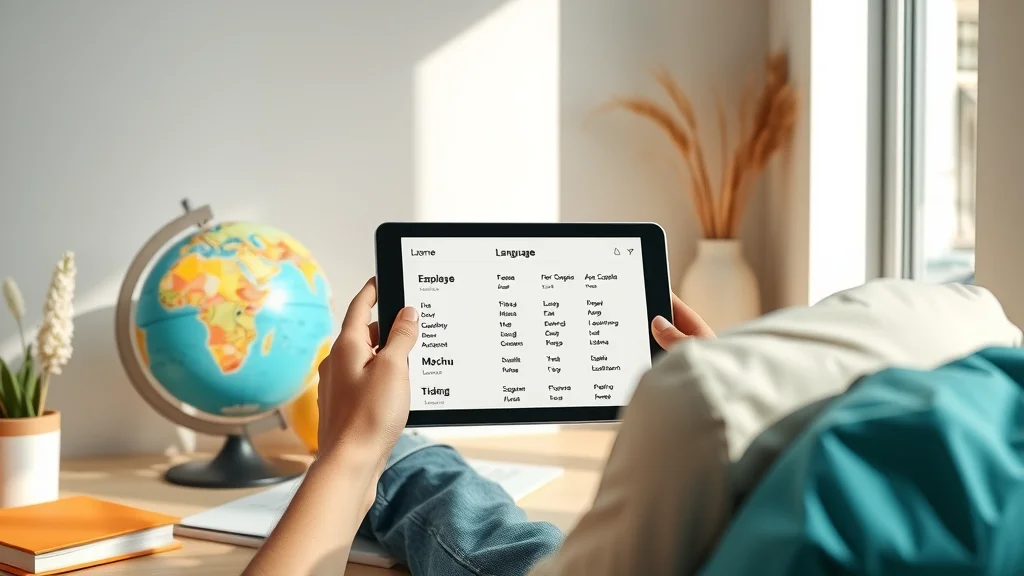
For more expert language learning news, insider views, and practical tips, visit https://learnalanguage101.com/ and start your success story today!
Take the first step—start learning, keep speaking, and unlock a world of opportunity!
Sources
To enhance your journey in learning to speak a foreign language, consider exploring the following resources:
-
The article “AC Insights: Five Tips to Master a Foreign Language” offers practical strategies such as immersing yourself in the language through music and daily practice, which can significantly improve your proficiency.
-
Additionally, “The 10 Best Ways to Learn a Foreign Language” provides innovative methods like watching foreign language television shows and movies to enhance listening skills and expand vocabulary.
If you’re serious about mastering a new language, these resources will provide you with effective techniques and insights to accelerate your learning process.
