
Hook: Imagine confidently ordering coffee in Berlin, cracking a joke with new friends in Munich, or landing your dream job in a bustling German tech hub—all because you made the choice to learn German fast. The secret to achieving this isn’t an innate talent for languages, but a blend of smart strategies, daily practice, and a passion for unlocking new worlds with words. This article reveals the actionable secrets and expert insights you need on how to become fluent in German, whether your goal is for business, travel, personal enrichment, or just the thrill of mastering a new skill.
Unlocking German Fluency: Your Path to Expert Communication
“Language is the road map of a culture. It tells you where its people come from and where they are going.” – Rita Mae Brown
Fluency in the German language opens doors across continents. Whether you want to connect with over 100 million native speakers, travel smoothly through Europe, or access top-tier business and academic opportunities, the German language offers remarkable rewards. But how to become fluent in German isn’t about memorizing endless grammar rules or vocabulary lists by rote. It’s about adopting the right mindset and leveraging methods that fit your learning style and daily life.
From using the 80/20 rule for maximum efficiency to integrating German into your routine until it becomes second nature, this guide will walk you through proven steps and practical resources. No matter your age or experience, you’ll discover that learning German for daily life, career growth, travel, or leisure is absolutely within reach. Ready to explore the expert secrets that make becoming fluent in German not just possible, but enjoyable? Let’s dive in.

What You’ll Learn: Achieving Fluency in German
- Effective strategies for how to become fluent in German
- Pro tips to learn German fast for various real-world applications
- Understanding the 80/20 rule in German learning
- Level benchmarks (A1, A2, B1, etc.) and their significance
- Essential resources for daily life, travel, business, and hobbies
- Listening, writing, and speaking fluency tips
The Journey Begins: Why Learn German for Daily Life and Beyond
Motivations: Business, Travel, and Personal Growth
The decision to learn German frequently grows out of a deep curiosity—and practical motivations. As the most widely spoken native language in Europe, German is a passport to diverse cultures and career opportunities. Many learners pursue it for travel, eager to chat with locals or navigate German-speaking countries with ease. For business-minded individuals, German fluency means tapping into one of the world’s strongest economies and accessing a vast professional network. Even hobbyists and lovers of European history find that understanding German unlocks centuries of literature and rich cultural insights.
On your journey, you’ll discover that learning German isn’t only about grammar or vocabulary—it’s about building bridges, expanding your worldview, and embracing exciting challenges. Whether you dream of exploring medieval towns, reading German books in the original, or connecting with German speakers worldwide, your motivation will be your guide and source of energy.

Challenges and Rewards of German Fluency
Like any meaningful pursuit, learning German comes with its own set of challenges and rewards. New learners often wrestle with complexities like German grammar, cases, and modal verbs. Pronunciation, with those famous compound words and unique sounds, may at first seem daunting. But every victory—mastering a tricky sentence structure, understanding a podcast, or having your first conversation with a native speaker—reinforces your progress and motivates you to continue.
The most important thing to remember is that consistency beats perfection. Mistakes are milestones, not roadblocks. As you make the conscious effort to learn German fast by immersing yourself in real-world interactions, you’ll not only see measurable improvement in your language skills, but you’ll also unlock greater confidence and cultural understanding. Those daily life moments—ordering food, greeting neighbors, or sharing a laugh—become the true rewards on your path to becoming fluent in German.
How to Become Fluent in German: The Essential Foundations
Understand the Scales: What is A1, A2, B1, B2, C1, C2 German?
Before you leap headfirst into courses or grammar books, it’s essential to understand the CEFR proficiency levels that shape the learning German journey. These levels—A1, A2, B1, B2, C1, and C2—help you set realistic goals and track your progress in speaking, listening, reading, and writing German. For example, reaching A1 means you can introduce yourself and ask simple questions in daily life, while C2 signals near-native fluency, suitable for academic or high-level professional settings.
Knowing your current level and your next milestone will make your effort to learn German much more targeted. You’ll better select resources and activities that fit your needs, whether it’s improving basic conversation, watching German TV with subtitles, or engaging with native speakers in discussions about culture and business. Setting goals based on these levels is one of the smartest steps you can take to learn German fast.
| Level | Description | Abilities | Typical Learner Profile |
|---|---|---|---|
| A1 | Beginner | Simple words/phrases, introduce self, ask/answer basic questions | New learners, tourists |
| A2 | Elementary | Routine tasks, basic survival conversation, reading menus/signs | Travelers, expats |
| B1 | Intermediate | Deal with most situations in daily life, share opinions, write simple texts | Students, casual learners |
| B2 | Upper Intermediate | Discuss complex topics, interact with native speakers with relative ease | Professionals, advanced students |
| C1 | Advanced | Flexible social/professional language use, understand nuanced material | Academics, business users |
| C2 | Proficient | Near-native, academic writing, understand everything heard/read | Expert users, translators |

Master the Basics: Learn German Grammar and Modal Verbs
If you want to learn German fast, it’s crucial to build a solid foundation in German grammar and commonly used modal verbs (like können, müssen, wollen). Understanding how verb conjugation and word order work in German will help you create meaningful sentences and communicate with native speakers more effectively. While it can seem overwhelming at first—especially the cases (Nominative, Accusative, Dative, Genitive) and gendered articles—breaking them down systematically will make your journey a lot easier.
- Key aspects: verb conjugation, sentence structure, modal verbs
- Learning German articles and cases
Don’t be discouraged if you stumble when trying to speak German or mix up a case or article. Embracing the complexity and practicing with short written exercises or simple conversations daily can dramatically boost your confidence and overall fluency. Many language learning experts recommend focusing on core grammar rules and most-used modal verbs first—they’ll power most conversations in daily life and make you feel comfortable tackling both simple and complex exchanges with ease.
How to Learn German Fast: Strategies That Work
- The 80/20 Rule: Focus on the Most Used German Words and Phrases
- Active Listening and Immersion Techniques
- Daily Speaking Practice for Real-Life Scenarios
- Leveraging Technology: Apps and Online Platforms
Smart learners use the 80/20 rule, focusing on high-frequency words and phrases that cover the majority of everyday conversations. Immersion is also key: by consistently surrounding yourself with German through TV, music, podcasts, and social interactions, you reinforce comprehension and usage in authentic settings. Integrating daily speaking practice—even if just talking to yourself or a language partner online—quickly builds your confidence for real-life situations.
Technology is your ally in learning German fast. From mobile apps with spaced repetition to interactive online courses, digital forums, and German subtitles on streaming platforms, a variety of resources keep lessons engaging, adaptive, and accessible. The secret is choosing tools that both motivate you and match your learning style—making daily progress toward fluent in German a natural habit.
Daily Life Practice: Integrate German into Your Routine
One of the most effective secrets to how to become fluent in German is daily integration. Label items at home in German, greet your family or roommates with simple German phrases, and narrate your daily routines in the language. Each of these steps reinforces vocabulary and boosts familiarity with natural expressions. Watching German TV shows or listening to German podcasts with subtitles enhances your listening skills, while joining language exchanges—online or in-person—ensures you’re practicing real conversation.
Over time, these routine-based tactics transform passive knowledge into active fluency. You’ll find yourself thinking, dreaming, and eventually joking in German without pausing to translate in your head. It’s this lived immersion that makes speaking and understanding German in daily life a lot easier and far more rewarding.
 Practice Makes Perfect: Everyday German in Context
- Label objects at home in German
- Watch German TV and listen to podcasts
- Join language exchanges and forums
Fluent in German: Key Habits and Mindset Shifts

Consistency Matters: Daily Learning German Fast
The journey to fluency isn’t a sprint—it’s a marathon powered by dedicated, consistent effort. Set aside time every day, even if only 20–30 minutes, to engage with the German language in some form: listening, reading, writing, or conversation. This steady rhythm not only cements new vocabulary but also turns learning German into a seamless part of your daily life.
Tracking progress with journals, digital tools, or language charts helps you visualize growth and stay motivated. By regularly reviewing and celebrating milestones—such as mastering a new tense or holding your first conversation—you’ll keep motivation high and push through inevitable plateaus. Remember, the key to learn German fast is not intensity, but unfailing consistency.
Mistakes are Lessons: Embrace Imperfection
Every successful language learner knows that mistakes are not failures—they’re an essential part of the process. Don’t shy away from making errors in pronunciation, grammar, or word choice. Embrace them with humor and curiosity, viewing each one as a guidepost on your path to mastery. Native speakers appreciate your effort to learn German and will often help correct or guide you.
The more comfortable you become with risk and imperfection, the faster you’ll speak German and understand the nuanced rhythms of the language. Language learning is an iterative journey; the only mistake that truly matters is the one you never try to fix.
“The limits of my language mean the limits of my world.” – Ludwig Wittgenstein
Resource Round-up: Best Tools to Learn German
- Textbooks and Workbooks for German Grammar
- Recommended Apps to Learn German Fast
- Top YouTube Channels and Podcasts for Fluent in German Listening
- Best Websites and Forums for Learning German
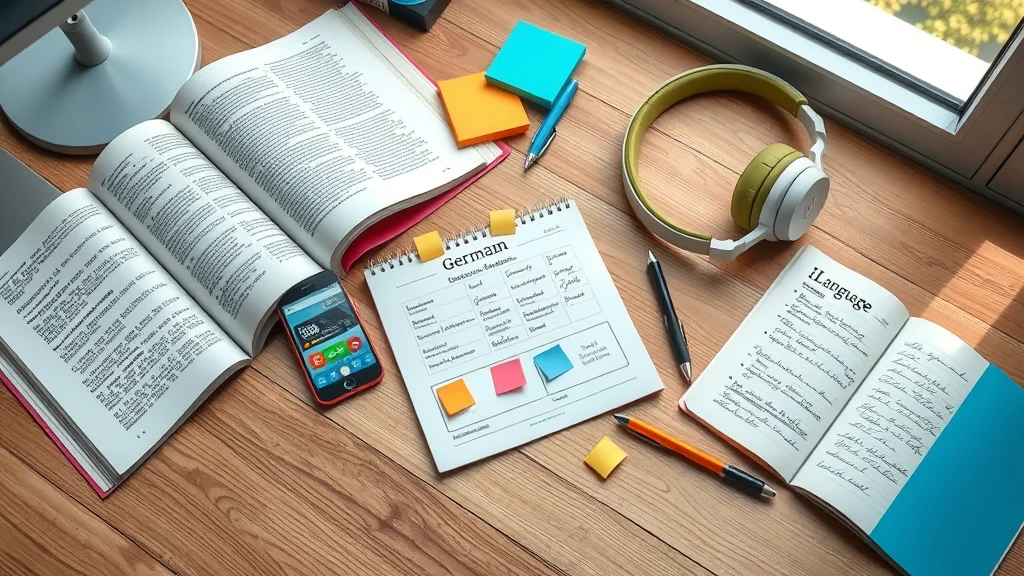
Maximizing your exposure to varied German language resources is critical for achieving and maintaining fluency. Traditional textbooks and exercise workbooks provide structured grammatical foundations, while apps like Duolingo, Babbel, and Memrise make it easy to learn German fast on the go. Supplementing these with YouTube channels, podcasts, and forums connects you directly with both native speakers and global learners, creating a community of support, feedback, and authentic exposure.
Don’t underestimate the power of mixing resources based on your mood and schedule. From grammar deep dives in print to lively language challenges online, these dynamic options ensure that learning German stays effective and exciting—no matter your age or starting level.
Real-Life Application: Speak German Confidently
Role-Plays and Conversation Starters for Business, Travel, and Leisure
True fluency means being able to speak German with confidence and flexibility in any scenario—be it a networking event, train station, restaurant, or emergency. Role-playing is a powerful way to rehearse real-life conversations and gain the agility needed for spontaneous exchange. Practicing introductions, ordering meals, or discussing projects in German mirrors the exact types of exchanges you’ll encounter in the daily life of a native speaker.
- Introducing yourself in German
- Ordering food in German restaurants
- Conducting business meetings in German
- Handling emergencies using German fast phrases
Incorporate these scenarios into your language classes or self-study routine. By focusing on relevant, high-frequency situations, you’ll gain the confidence and ability to communicate with relative ease and authenticity—no matter where your German journey leads.

Common Pitfalls and How to Overcome Them When Learning German
- Pronunciation challenges and accent tips
- Grammar stumbling blocks and how to tackle them
- Avoiding stagnation at intermediate level
Every language journey hits a few bumps—especially with German! Pronunciation can be tricky due to sounds not found in English, but using online pronunciation guides or mimicking native speakers with audio recordings can help. Focused repetition and mirror practice enhance your accuracy over time. Grammar, especially modal verbs and case endings, often trips up learners. Breaking these elements down into small, digestible parts and practicing them in context can make even the most complex rules manageable.
If you notice your progress stalling at the intermediate level, shake up your routine with fresh materials, join a language exchange, or set a new goal such as watching a full German film without subtitles. Continuous variety keeps your mind active and your motivation high—ensuring you continue to learn German fast and with lasting results.

Expert Insights: Learning German Beyond the Textbook
“Practice doesn’t make perfect. Practice reduces the imperfection.” – Toba Beta
Books and apps lay the groundwork, but true fluency grows from authentic practice and lived language. Interacting with native speakers, whether through online forums, local meetups, or travel, gives you exposure to idiomatic expressions, current slang, and cultural nuances that textbooks simply can’t provide. Don’t be afraid to ask questions, mimic what you hear, and immerse yourself in German music, films, or even hobbies—every bit of exposure to the language is invaluable.
Live Expert Q&A: How to Become Fluent in GermanThe most effective learners develop curiosity, resilience, and a love for continuous growth. Beyond grammar and vocabulary lists, it’s these qualities that enable you to become truly fluent in German and culturally at ease across any setting—from boardrooms to biergartens.
Measuring Progress: Tracking Your German Fluency Journey
Setting SMART Goals for Learning German Fast
Clear, actionable goals make a huge difference in your ability to learn German fast. SMART goals—Specific, Measurable, Achievable, Relevant, and Time-bound—help ensure you’re making real progress instead of treading water. For example, rather than aiming to “get better at German,” set a goal like “hold a five-minute conversation with a native speaker within three months.” Regularly review your goals and adjust them as your skills grow.
Tools like language journals, progress charts, and language testing apps can help you stay accountable. By tracking vocabulary learned, hours practiced, and milestones hit—such as reading your first German book or navigating travel situations—you’ll see tangible evidence of your growth and keep motivation high.
Staying Motivated and Celebrating Milestones
Motivation fluctuates, especially in the face of challenging grammar or slow progress. Counter this by regularly celebrating small wins—like understanding a joke in German or finishing a podcast episode without needing a dictionary. Partnering with a supportive friend or language exchange partner can also provide the encouragement and accountability needed to stay the course.
Reward yourself for consistency, whether it’s with a new German novel, a trip to a local German restaurant, or simply sharing your milestone with your learning community. Every small celebration builds the confidence needed to reach the next level and ultimately become fluent in German.

People Also Ask About How to Become Fluent in German
How long does it take to become fluent in German?
Typical timelines, influencing factors (motivation, immersion, daily practice), and expectations for speaking, writing, and listening fluency.
The answer varies: with daily practice and immersion, many learners achieve conversational fluency (B1/B2) in 6 to 18 months. Influencing factors include your motivation, previous experience with language learning, access to native speakers, and consistency. Writing and reading German fluently can come a bit faster than listening and speaking for most English speakers, especially if you dedicate at least 30 minutes each day to focused study and conversation.
What is the 80/20 rule in German?
Applying the Pareto Principle to learn the most useful German vocabulary and grammar, accelerating fluency.
The 80/20 rule, or Pareto Principle, suggests that 80% of your conversational needs in German will be met by just 20% of the most common words and grammar structures. Focusing your initial studies on these high-frequency components allows you to learn German fast and communicate in daily life sooner, without being bogged down by less-used vocabulary until you need it.
How to actually become fluent in German?
Combining strategies from classroom, immersion, social interaction, and self-study for results in real-life German usage.
True fluency is achieved by blending multiple strategies: engaging in structured classes, self-study with quality resources, real interaction with native speakers, and immersion in authentic situations like travel, internships, or volunteering. Social engagement—forums, language meetups, and tandem partnerships—transforms theoretical knowledge into practical, confident fluency.
What is A1, A2, B1, B2, C1, C2 German?
Explaining the CEFR proficiency levels, practical milestones, and which level is required for various goals.
These CEFR levels benchmark your progress from beginner (A1) to proficient (C2). A1/A2 are beginner, B1/B2 are intermediate to upper-intermediate, while C1/C2 indicate advanced or near-native skills. Everyday conversation and travel usually require B1, while business or academic goals demand B2 or higher, and professional interpreters aim for C1/C2.
Key Takeaways for How to Become Fluent in German
- Commit to daily learning and practice
- Focus on high-frequency words and phrases
- Use a variety of resources to keep learning German engaging
- Track progress and adjust your strategy as needed
Frequently Asked Questions About Becoming Fluent in German
- Is it hard to learn German for English speakers?
While German grammar presents some new concepts, many English speakers find vocabulary and pronunciation familiar due to shared linguistic roots. With daily practice and targeted strategies, it’s a lot easier than it first appears. - How can I practice speaking German alone?
Use language learning apps with speaking features, read aloud, narrate your day in German, or record yourself and compare with native pronounciation online. Joining digital language exchanges also boosts solo speaking skills. - Can I become fluent in German without visiting Germany?
Absolutely! Thanks to online resources, native speaker exchanges, and digital immersion opportunities, you can reach high levels of fluency from anywhere, provided you practice regularly. - How important is grammar in becoming fluent in German?
Grammar provides the foundation for clear communication, but fluency comes from balancing grammar practice with active speaking, listening, and vocabulary building.
Ready to Begin? Start Your Journey to Fluent German
“Every great journey begins with a single step. To start your free language learning journey visit http://classroom.learnalanguage101.com/ today.”
Conclusion
Every new word, conversation, and effort brings you closer to the confident, fluent German speaker you aspire to be. Take your first step today!
Sources
- Goethe-Institut – Exam Resources
- Deutsche Welle – Learn German
- Lingoda – CEFR and German Levels
- Learn A Language 101
To enhance your journey toward German fluency, consider exploring the following resources:
-
“How to learn German quickly: 10 tips” offers practical strategies such as following German-speaking influencers and immersing yourself in German media to accelerate your learning process. (ef.edu)
-
“How to learn German by yourself: The 8 best tips and techniques” provides insights into self-study methods, including practicing with conversation partners and engaging with German podcasts to improve listening skills. (preply.com)
These resources offer valuable strategies and techniques to support your goal of becoming fluent in German.
